Fighting isn’t mindless — protect what matters most.
Why Brain Health Matters
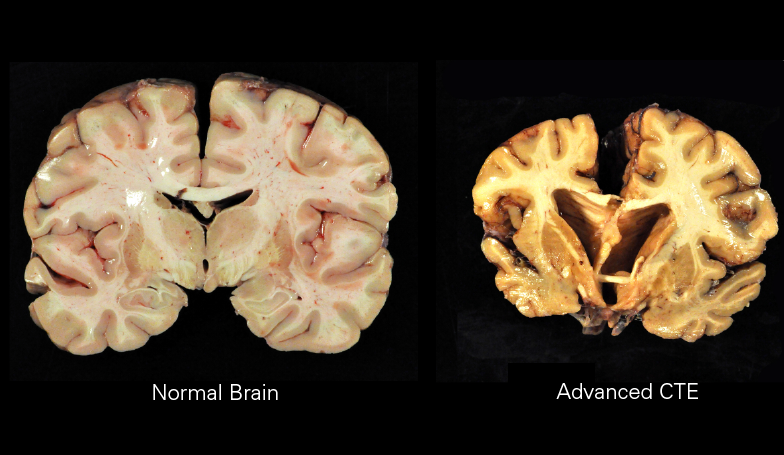
Combat sports put incredible stress on the body — and the brain. Repeated head trauma can lead to long-term cognitive damage, emotional instability, and chronic neurological conditions like CTE. Understanding the risks is the first step toward prevention.
Preventative Strategies
Neck Strengthening: Stronger neck muscles help absorb and distribute impact forces, reducing head acceleration.
Smart Sparring: Use headgear and track your rounds. Focus on technique, not knockouts.
Recovery Time: Respect concussions. Allow full recovery and follow return-to-sport protocols.
Sleep & Nutrition: Sleep is critical for brain repair. Fuel with omega-3s, hydration, and antioxidants.
Personal Story
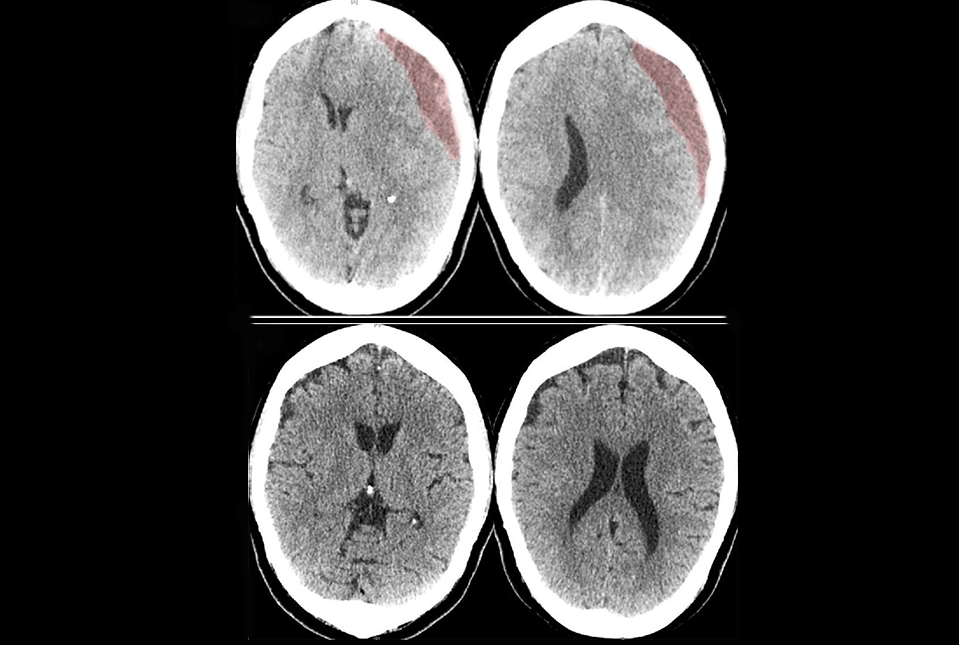
I’m Ryan Safarha, 17 years old, and I trained in MMA six days a week. I sparred often, grappled daily, and competed in BJJ, wrestling, and striking. Despite being young and feeling strong, I developed a chronic subdural hematoma from regular sparring — no knockouts, just repetition. In my case, there was a significant amount of blood buildup, but at first I only experienced mild headaches. It didn’t seem like anything serious. Over time though, the symptoms escalated — I started feeling numbness on one side of my body and even had difficulty speaking. It was terrifying how subtle the warning signs were. Even after stepping back, I’ve seen countless friends — teenagers and adults — who now slur their words, forget conversations, or speak like they’re drunk, all because of unchecked brain trauma.
Warning: Serious brain injuries can start with symptoms as mild as a headache. If something feels off, take it seriously. The earlier you act, the safer your future.
What is a Chronic Subdural Hematoma?
A chronic subdural hematoma is a slow-bleeding collection of blood between the brain and its outer covering, often caused by repeated minor head trauma. If untreated, it can lead to seizures, strokes, memory loss, confusion, and weakness or numbness on one side of the body. These symptoms may appear gradually and can be life-altering if not addressed promptly.
This site is my attempt to make sure we train smarter, not harder. No fight is worth a life half-lived.
Fighter Stories
“Prichard Colón suffered a life-altering brain injury from a fight in 2015, leaving him in a vegetative state. His case changed how many view fighter safety and sparked discussion about better protection.” – Boxing Community
“Nick Blackwell went into a coma after a boxing match and never returned to professional fighting. He now advocates for brain injury awareness and safety in the sport.” – Headway UK
“Ronda Rousey shared publicly that she sustained multiple concussions in judo and MMA. Her honesty helped normalize the discussion of head trauma in professional fighting.” – The Guardian
“Georges St-Pierre, one of the greatest MMA fighters, rarely sparred during training to avoid head trauma. His career longevity and mental clarity post-retirement are a testament to the power of smart preparation.” – GSP Interviews
“Lyoto Machida is known for his technical, evasive style and limited sparring. He's had a long career with no reported major brain health issues — proving that strategy can preserve both performance and health.” – MMA Insider